

Where Silence Has a Sound: Nature in Northern Portugal
Discover the rare quiet of Northern Portugal's countryside — where birdsong, river water, and ancient oak forests are all the noise you'll ever need.
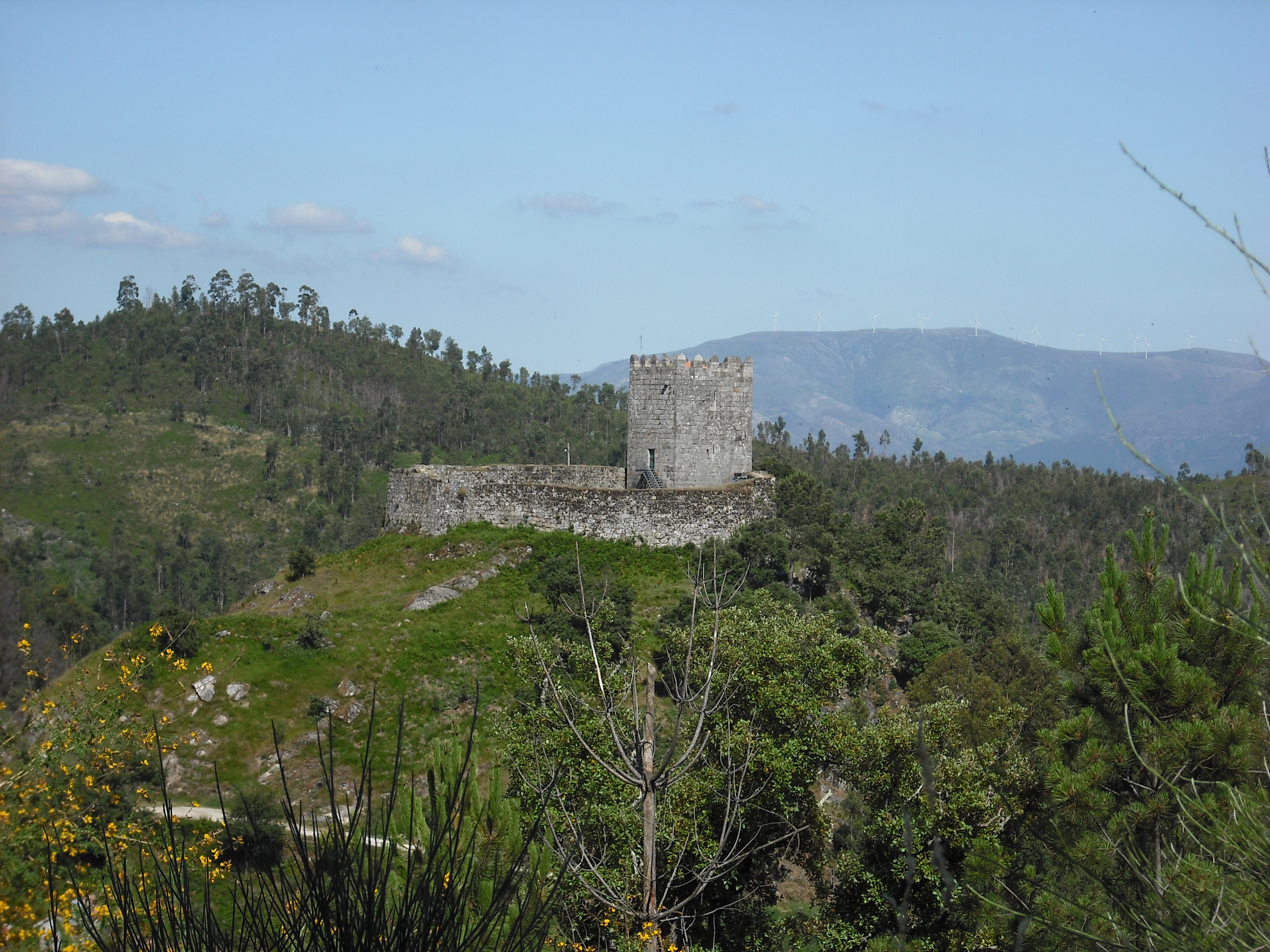
Where Silence Has a Sound: Nature in Northern Portugal
There are places in the world where silence doesn't feel like absence — it feels like presence. The hills of Northern Portugal are one of them. In the ancient valleys around Celorico de Basto, where granite rivers run cold and clear and the forests have had centuries to learn patience, you don't switch off. You tune in.
This is not the silence of emptiness. It's the silence of a landscape that has simply never had to rush.
The Noise We've Forgotten We Were Missing
Most of us have lived inside constant sound for so long that we've stopped hearing it. The hum of traffic. The low vibration of appliances. Notifications that arrive like small intrusions, each one nudging you fractionally further from wherever you actually are. We adapt, because we must. But something in us keeps a record.
Step into the hills above the Rio Douro's northern tributaries on a still April morning and that record begins to play back. A cuckoo calling from somewhere deep in the pine forest. The faint rush of water over stone. Wind moving through chestnut and oak as if it has somewhere to go, but isn't in any particular hurry. These aren't dramatic sounds. They don't demand anything of you. They simply exist — and in existing, they remind you of what you'd stopped expecting.
Northern Portugal holds this quality in abundance. The interior, away from the coast's celebrated beaches and the wine valleys' tourist circuits, remains deeply, genuinely quiet. The kind of quiet that is full rather than empty. The kind that takes the shape of everything around it.
A Landscape That Slows You Down Before You Ask It To
There's no act of will required. That's what surprises people most about arriving in the countryside around Celorico de Basto for the first time. You don't have to decide to relax. The landscape simply makes haste feel inappropriate.
The roads here narrow and wind through terrain that hasn't changed its fundamental character in centuries — terraced hillsides held together by granite walls, old quintas with vines climbing any surface they can find, village churches whose bells mark hours that feel genuinely unhurried. There is a tempo to rural life here that predates modern productivity culture by about a thousand years, and it is not interested in your urgency.
You feel this shift in your body before your mind has caught up. Your breath deepens. Your jaw unclenches. The list of things you meant to do begins to feel, somehow, more negotiable. The Portuguese have a word — sossego — that means roughly peace and quiet, but carries within it a sense of something earned and cherished. In this part of the country, sossego is not a luxury. It's an ambient state.
What It Feels Like to Wake Up to Nothing (and Everything)
The first morning in the Northern Portuguese countryside is often the one guests remember most. There's a particular quality to light in the Minho at dawn — golden, flat, heavy with moisture — that makes the landscape look as though it's been waiting patiently for you to look at it properly.
Open a window and you'll hear what passes for noise here: the distant bark of a dog. Swallows stitching the air above the terrace. The particular silence of still air after a night of mild rain. A neighbour's wood smoke drifting up the valley. There's nothing alarming in any of it. There's nothing that asks you to do anything at all except be present.
This is what people mean when they talk about resetting. Not achievement. Not a productivity strategy. Not even rest, exactly. Just the experience of waking up and feeling that the day ahead holds nothing that could reasonably be called a threat. In a world that has become very good at manufacturing low-grade dread, that is an extraordinary thing.
The Gentle Wildness of the Minho Countryside
Northern Portugal is not a wilderness in any dramatic sense. It hasn't the savage grandeur of a mountain range or the vast blankness of a desert. Its wildness is subtler — and, for that, somehow more intimate.
It's the wetness of moss on a granite wall and the realisation that moss has been growing on that particular stone for longer than any living person can properly imagine. It's the way the river runs clear over beds of ancient rock, cold enough in spring to make you gasp. It's the hawks riding thermals above the upper valleys, indifferent to everything happening below them.
There's wildlife here that most Western European countries have essentially lost: eagle owls, otters, roe deer moving through the chestnut forest at dusk. You don't always see them. But you sense their presence in the way the landscape is still holding space for creatures that require wildness to survive. That matters in a way that's hard to articulate but easy to feel.
The gardens at Casa do Sol sit inside this wider ecology — citrus trees and camellias, the smell of wood smoke and cut grass and the faint sweetness of wild flowers in the verges. A cultivated wildness. Tended, but not tamed. Welcoming, but still connected to something larger and older than itself.
Why Some Silences Stay With You Long After You've Left
The strange thing about deep quiet — the kind you find in places like this — is that it follows you home.
Not literally. Back in the city, the traffic returns, the notifications reassert themselves, the ambient noise of modern life closes over your head like water. But something has shifted in your relationship to it. You carry the memory of quiet in your body — in your nervous system — in the way your shoulders now respond to noise with something other than pure resignation.
People who have spent time in the countryside around Celorico de Basto describe wanting to return before they've even left. Not for any single attraction or particular experience, but for a quality of being that the place holds and offers freely to anyone willing to slow down enough to receive it.
Some places make you feel small in a way that shrinks you. This one makes you feel small in a way that frees you. That distinction, once you've felt it, is everything.

If you're ready to hear what silence actually sounds like — to wake up in a landscape that asks nothing of you but your presence — Casa do Sol is waiting. Set in the hills of Celorico de Basto, surrounded by the ancient countryside of Northern Portugal, it's the kind of place that doesn't just give you a break. It gives you back to yourself.
Check availability and reserve your stay →
